Friday, June 19, 2026 · By jake
Can a Cigar Pairing Guide Actually Help Close a Sale?
Can a Cigar Pairing Guide Actually Help Close a Sale?
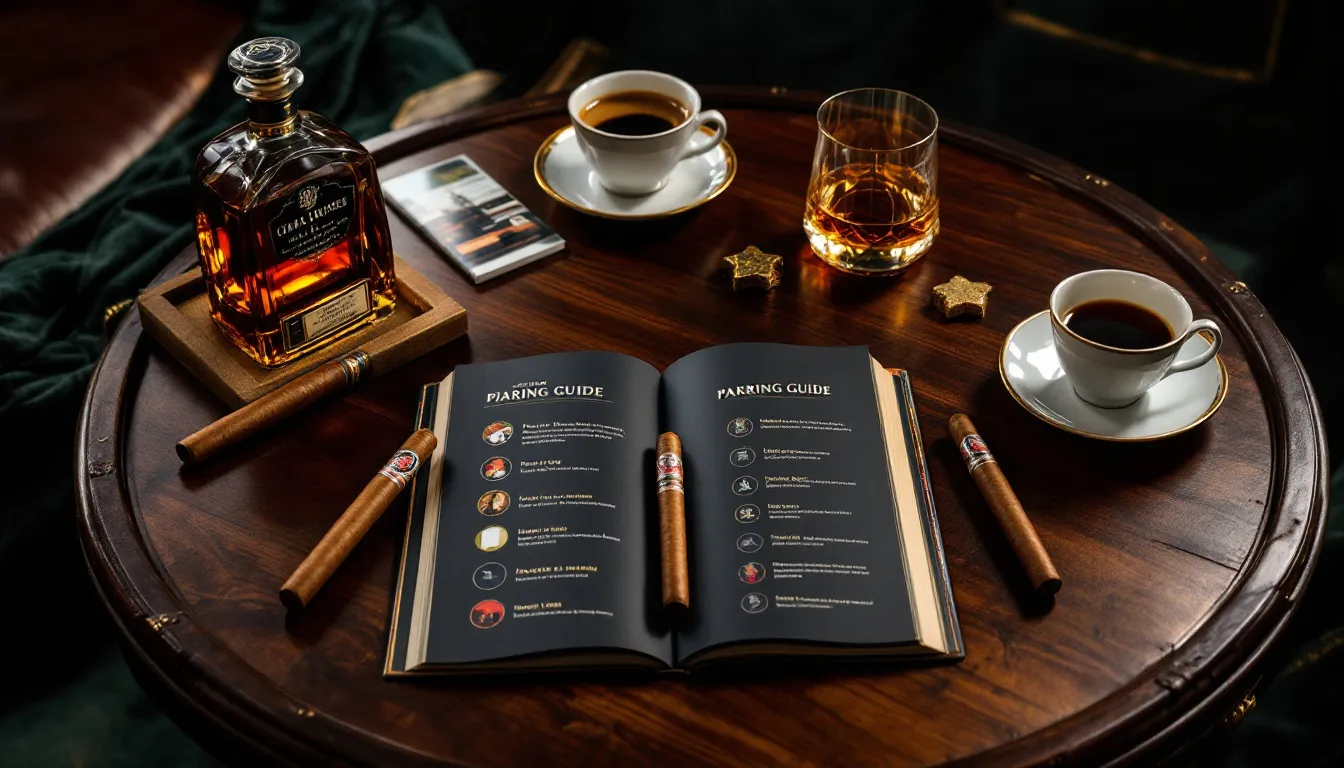
A cigar pairing guide absolutely helps close sales when it functions as a merchandising tool rather than generic content. The key is positioning specific cigars from your inventory alongside premium spirits, coffee, or food experiences that justify higher price points and create memorable customer moments.
The most effective pairing guides work like wine lists at upscale restaurants. They don't just suggest "bourbon goes with cigars." They recommend your Padron 1964 Anniversary with a specific 15-year rum, creating a $45 experience instead of a $12 impulse purchase. This approach transforms browsers into buyers and casual customers into regulars who trust your curation.
Smart operators use pairing guides to move slower inventory, introduce customers to higher-margin products, and create repeat visits. When a customer associates your lounge with the perfect Nicaraguan puro and single malt combination they discovered through your guide, they're not just buying cigars. They're buying into an experience you've crafted.
The difference between guides that sell and guides that collect digital dust comes down to specificity, inventory alignment, and understanding your customer's journey from curiosity to purchase.
How Do Pairing Guides Function as Sales Tools?
Pairing guides work as sales tools by solving the paralysis of choice that hits customers facing walls of humidors. Instead of overwhelming someone with 200 options, a well-structured guide creates clear pathways to purchase decisions.
The psychology is straightforward. Customers enter your space with varying levels of cigar knowledge. Beginners feel intimidated. Experienced smokers want validation of their choices or discovery of something new. Pairing guides bridge both gaps by providing expert curation without the pressure of a direct sales pitch.
Consider how this plays out in practice. A customer mentions they enjoy whiskey. Instead of randomly pointing at cigars, you reference your pairing guide: "If you like that Blanton's, try it with this Oliva Serie V Melanio. The spice profile complements the bourbon's sweetness perfectly." Now you've positioned yourself as the expert, justified the premium price point, and created a specific experience they can recreate.
The guide also extends your expertise beyond face-to-face interactions. Customers browse your recommendations at their own pace, building confidence in purchases they might otherwise skip. This is particularly powerful for online sales or when your most knowledgeable staff isn't available.
What Makes Bourbon and Cigar Pairings Effective for Sales?
Bourbon pairings work because they tap into established customer behavior and premium positioning. Most cigar customers already drink whiskey, making the pairing feel natural rather than forced. More importantly, bourbon drinkers are accustomed to paying premium prices for quality, which translates directly to cigar purchases.
The key to effective bourbon pairings is matching flavor profiles with specific products in your inventory. A high-rye bourbon with prominent spice notes pairs beautifully with a Nicaraguan puro featuring ligero tobacco. The customer experiences harmony between the two products, justifying the combined purchase.
Successful operators structure bourbon pairings around price points. Entry-level pairings might suggest a $15 cigar with a $30 bourbon. Mid-tier recommendations could pair a $25 stick with a $60 bottle. Premium pairings justify $40+ cigars alongside $100+ whiskeys. This tiered approach guides customers naturally toward higher spending levels.
The seasonal aspect of bourbon pairings also drives repeat business. Fall and winter naturally lend themselves to richer, fuller-bodied combinations. Spring and summer call for lighter profiles. By rotating your pairing recommendations seasonally, you create reasons for customers to return and explore new combinations.
How Do Coffee and Cigar Pairings Drive Morning Sales?
Coffee pairings unlock an entirely different sales window that most operators overlook. Morning cigar sales represent untapped revenue, especially for lounges that open early or retail locations with commuter traffic.
The morning cigar customer is often different from the evening crowd. They're looking for milder profiles, shorter smoking times, and experiences that complement rather than dominate their coffee ritual. Connecticut-wrapped cigars shine in coffee pairings, as do smaller vitolas that won't overwhelm a morning routine.
Coffee pairings also work exceptionally well for introducing new customers to premium cigars. Someone who spends $6 on specialty coffee is already comfortable with artisanal pricing. The leap from premium coffee to premium cigars feels natural when presented as complementary experiences.
The specificity matters enormously here. "Coffee goes with cigars" sells nothing. "This Arturo Fuente Hemingway Short Story pairs perfectly with medium-roast Colombian beans because the cedar notes in the wrapper echo the coffee's natural sweetness" creates a clear path to purchase.
Morning pairings also solve inventory challenges. Those milder cigars that don't move during evening rush periods find their audience in the coffee pairing context. You're not just creating new sales opportunities, you're optimizing inventory turnover across your entire selection.
Why Do Food Pairings Create Premium Experiences?
Food pairings elevate cigar purchases from products to experiences, justifying premium pricing and creating memorable moments that drive customer loyalty. When done correctly, food pairings position your business as a destination rather than just a retail location.
The psychology of food pairings taps into familiar fine dining experiences. Customers already understand wine pairings with meals. Extending this concept to cigars feels sophisticated rather than gimmicky. The key is treating cigars with the same reverence as wine, focusing on flavor profiles, terroir, and craftsmanship.
Chocolate pairings work particularly well because they highlight the natural sweetness and complexity in premium cigars. A Davidoff with 70% dark chocolate creates a luxury experience that justifies the cigar's price point. The chocolate serves as both complement and palate cleanser, enhancing the cigar's flavor profile.
Cheese pairings open opportunities for educational selling. Explaining how the cream in aged cheddar balances the pepper in a Padron creates expertise positioning. Customers learn while they buy, building trust in your recommendations and increasing likelihood of repeat purchases.
The timing of food pairings also creates sales opportunities. Afternoon pairings with coffee and pastries. Evening pairings with chocolate or cheese. Special events featuring multi-course pairing experiences. Each context creates different price points and customer engagement levels.
What's the Problem with Generic AI Pairing Content?
Generic AI pairing content fails because it lacks the inventory specificity and customer context that drive actual sales. Most AI-generated pairing guides read like Wikipedia entries, offering broad generalizations that don't connect to real purchase decisions.
The fundamental problem is that generic AI doesn't know your inventory, your customers, or your local market. It suggests pairings with cigars you don't carry, spirits you can't source, or experiences that don't match your customer base. This creates frustration rather than sales opportunities.
Generic content also falls into the "vanilla ice cream" trap of trying to appeal to everyone while exciting no one. Broad statements like "full-bodied cigars pair well with bold flavors" provide no actionable guidance for customers trying to choose between specific products in your humidor.
The compliance issues with generic AI content create additional problems for cigar operators. Generic tools don't understand FDA Section 906 restrictions, state sampling laws, or FTC guidelines. They generate content that sounds authoritative but could create regulatory headaches.
Most importantly, generic AI pairing content sounds like generic AI pairing content. Customers can spot the difference between authentic expertise and algorithmic suggestions. When your pairing guide reads like every other cigar website, you've lost the differentiation that drives premium pricing.
How Should Operators Structure Effective Pairing Guides?
Effective pairing guides start with your actual inventory and work backward to create compelling combinations. Begin by identifying your highest-margin cigars and slowest-moving inventory. These become the foundation of your pairing recommendations.
Structure your guide around customer journey stages. New customers need confidence-building pairings with familiar flavors. Regular customers want discovery opportunities with new combinations. VIP customers expect exclusive or limited pairings that aren't available elsewhere.
Price point organization creates natural upselling opportunities. Entry-level pairings establish the concept and build trust. Mid-tier pairings represent your core profit margins. Premium pairings justify special occasion purchases and create aspirational goals for developing customers.
Seasonal rotation keeps your pairing guide fresh and creates reasons for customers to return. Summer pairings might focus on lighter profiles with iced coffee or fresh fruit. Winter pairings could emphasize fuller bodies with aged spirits or rich chocolates. This rotation also helps manage seasonal inventory challenges.
The presentation format matters significantly. Digital guides allow for easy updates and detailed descriptions. Physical guides create tangible authority and can be designed as keepsakes. QR codes bridge both approaches, allowing customers to access detailed digital content while browsing physical inventory.
What Role Does the Pairing Guide Generator Play?
CigarBox Marketing's Pairing Guide Generator solves the generic content problem by creating inventory-specific recommendations that align with your business goals. Unlike generic AI tools, it understands cigar industry nuances, compliance requirements, and the sales psychology that drives purchase decisions.
The tool generates pairings based on your actual inventory, ensuring every recommendation connects to available products. This eliminates the frustration of customers wanting to try suggested combinations you can't provide. More importantly, it focuses recommendations on products where you want to drive sales.
The Generator incorporates seasonal considerations, price point strategies, and customer education elements that generic tools miss. It creates content that sounds like expert curation rather than algorithmic suggestions. The difference is immediately apparent to customers who've encountered generic pairing content elsewhere.
Compliance awareness is built into every generated pairing guide. The tool understands FDA restrictions, avoids modified-risk language, and maintains adult-only context throughout. This prevents regulatory issues while maintaining the authoritative tone that drives sales.
The customization options allow operators to match pairing guides to their specific customer base and market positioning. A premium lounge gets different recommendations than a neighborhood tobacconist. The tool adapts to your business model rather than forcing you to adapt to generic suggestions.
How Do You Measure Pairing Guide Effectiveness?
Measuring pairing guide effectiveness requires tracking specific metrics that connect content engagement to actual sales outcomes. The most important metric is conversion rate from guide interaction to purchase of recommended products.
Track which pairings generate the most customer inquiries and subsequent sales. This data reveals which combinations resonate with your customer base and which recommendations need refinement. High-engagement pairings that don't convert to sales indicate pricing or availability issues.
Monitor average transaction values for customers who engage with pairing guides versus those who don't. Effective guides should increase both basket size and profit margins by guiding customers toward premium combinations and complementary purchases.
Customer retention metrics reveal the long-term value of pairing guide strategies. Customers who discover successful pairings through your recommendations are more likely to return and trust future suggestions. This creates a compounding effect on lifetime customer value.
Inventory turnover rates for featured products provide operational insights. Pairing guides should help move slower inventory while maintaining healthy margins on popular items. If featured products aren't moving, the pairings aren't working regardless of engagement metrics.
FAQ
How often should I update my cigar pairing guide? Update your pairing guide monthly to reflect seasonal changes, new inventory arrivals, and customer feedback. Major updates quarterly allow for strategic repositioning of slow-moving inventory and introduction of new pairing categories. Can pairing guides work for online cigar sales? Pairing guides are particularly effective for online sales because they provide the expertise and curation that customers miss in digital shopping experiences. They help overcome the inability to physically examine cigars before purchase by creating confidence through expert recommendations. What's the biggest mistake operators make with pairing guides? The biggest mistake is creating generic pairings that don't connect to actual inventory or customer preferences. Successful pairing guides are merchandising tools that drive specific sales, not content marketing exercises that generate website traffic without revenue. How do I handle customers who disagree with pairing recommendations? Customer disagreement creates sales opportunities rather than problems. Use disagreement as a starting point for discovering their preferences, then suggest alternative pairings that match their taste profile. This positions you as responsive to individual needs rather than pushing generic recommendations. Should pairing guides include price information? Include price ranges rather than specific prices to account for market fluctuations and inventory changes. Focus on value positioning rather than price competition, emphasizing the experience and quality that justify premium pricing.Related reading
Want results like this?
CigarBox Marketing gives you the AI-powered marketing intelligence to grow your business.
Try CigarBox Marketing